Utafiti Wellness Research Association
EVIDENCE TO ACTION
EVIDENCE TO ACTION
Every organization begins with a moment — a question that won't let go, a problem that demands an answer, a vision that refuses to stay quiet.
Years ago, while working on public health research in rural and urban communities across Kenya, our founder; Haroun Shiundu, witnessed a recurring pattern: extraordinary research gathering dust on university shelves, while communities struggled with preventable health challenges.
Data showed what needed to be done. Evidence pointed to solutions. But somewhere between the journal article and the community health worker, knowledge was getting lost.
That disconnect — between what we know and what we do — became the central question that UWRA was built to answer.
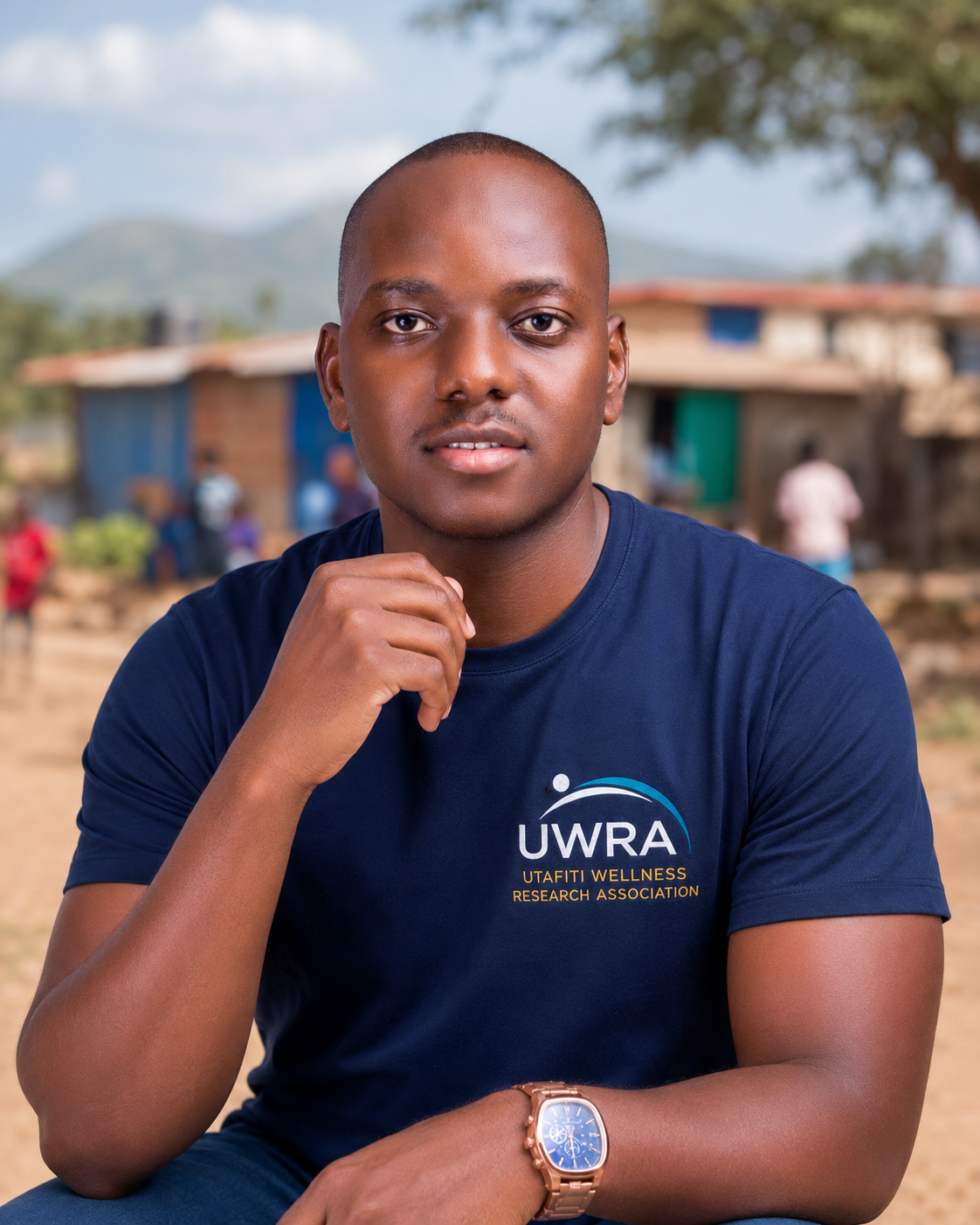
I realized that the communities I worked with didn't need more research papers. They needed someone to translate those papers into something usable — into training, into programs, into tools that could change lives. That was the moment I knew what UWRA had to become.
— Haroun's reflection
The journey wasn't linear. It involved countless conversations with community members, health workers, researchers, and policymakers. It required listening — really listening — to what people needed, not what we assumed they needed.
It meant learning that evidence isn't just numbers on a page. Evidence lives in the stories of mothers who couldn't access maternal care, in the frustration of clinicians without updated guidelines, in the determination of young researchers hungry for mentorship.
UWRA emerged from those conversations — not as a top-down organization, but as a response to what communities were already asking for.
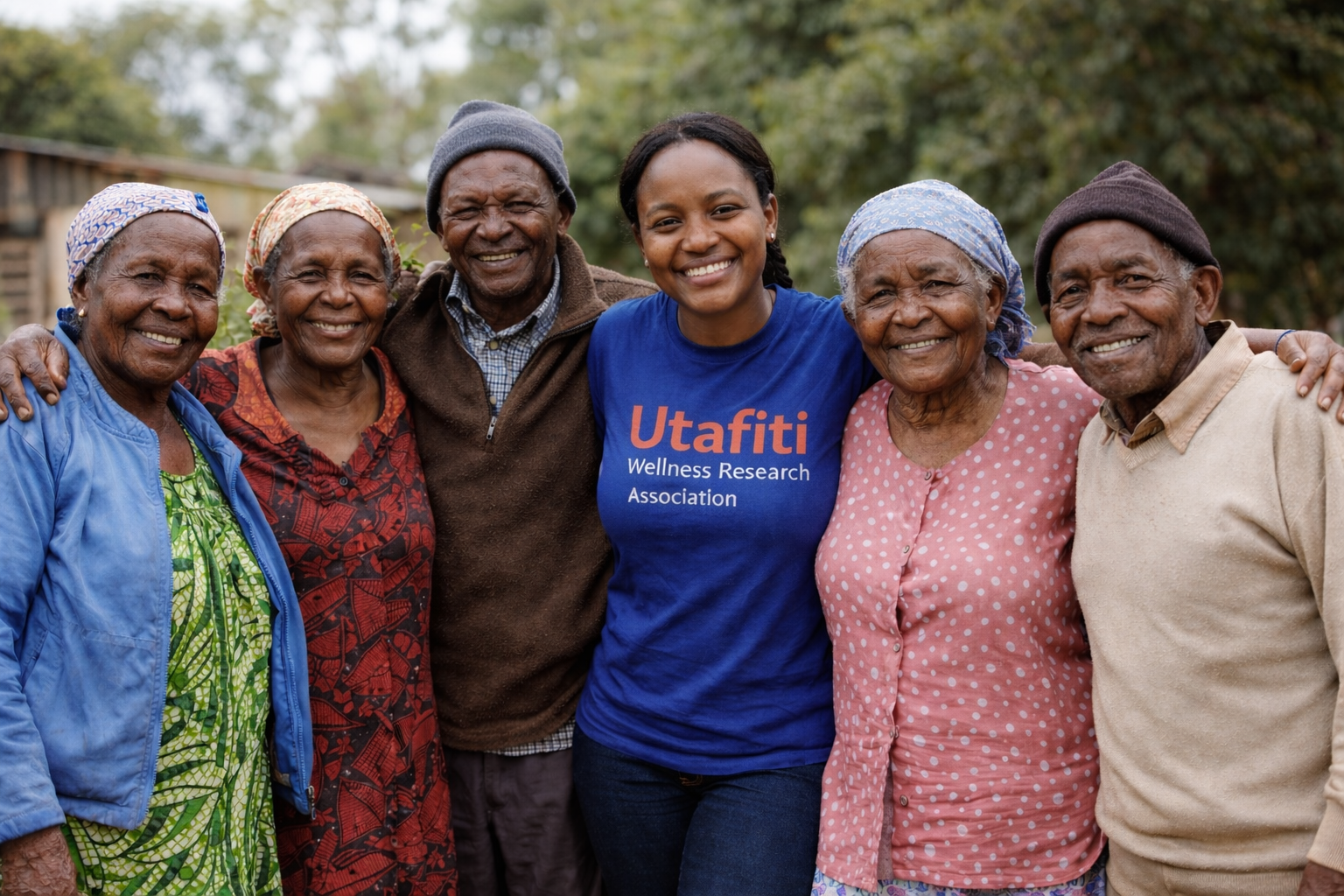
Research shouldn't be locked behind paywalls or academic jargon. It must be accessible, understandable, and usable.
We don't impose solutions. We listen, learn, and co-create with those we serve.
The best research translation happens when local leaders are equipped to lead.
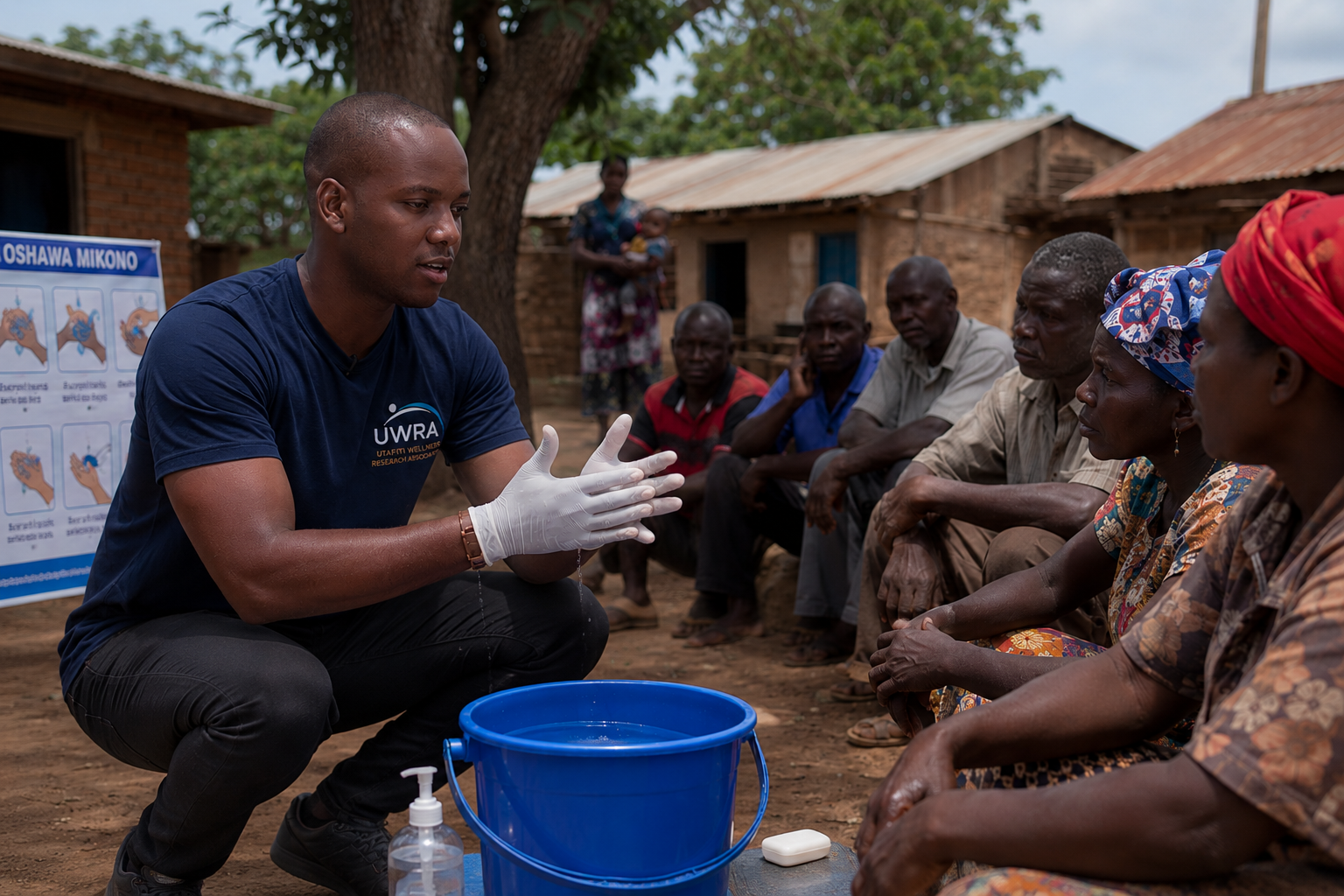
Ask our founder what sustains this work, and you'll hear about moments, not milestones. The fellow who finally understood how to analyze their first dataset. The community leader who used our evidence brief to advocate for better clinic hours. The researcher who published their first paper after attending a masterclass.
These are the quiet victories. They don't make headlines, but they change lives. And they remind us why UWRA exists — not to build an institution, but to build bridges between knowledge and action.
We're not done. Not by a long shot.
As UWRA grows, the original question remains: How do we make evidence work for communities?
The answer evolves. More fellowships. More masterclasses. More partnerships. More research translated into action. More health and wellness where it matters most.
But the heart of UWRA stays the same: we are translators. We take what is known and turn it into what is done.
And we invite you to be part of that story.

Haroun Shiundu, Executive Director
director@utafitiwellness.org